Our Traditional Skills
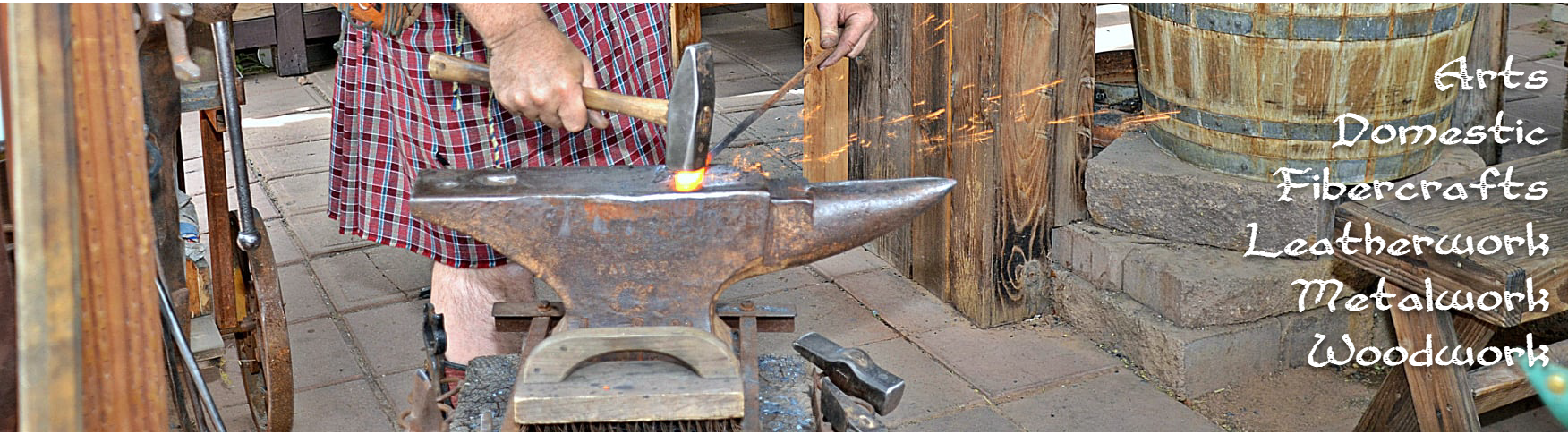
Throughout history, people developed a remarkable variety of crafts, trades, and techniques that shaped everyday life. CROFT explores Celtic history from 400 B.C. through 1746 A.D., offering members opportunities to discover how people lived, worked, and created during those centuries.
Our members enjoy researching everything from textiles and woodworking to metalworking, domestic arts, and other aspects of daily life. They share what they’ve learned through demonstrations at Renaissance festivals, educational events, and other gatherings, helping visitors experience a glimpse of the past.
When demonstrating a craft or trade, members should understand and be able to explain how it was practiced during the historical period they represent. Whenever possible, demonstrations use period-appropriate tools and techniques. When modern equipment is necessary, members make an effort to keep it from distracting from the historical presentation.
Below are examples of activities and areas of study that members can explore and demonstrate. Whether you’re experienced or just beginning, CROFT offers opportunities to learn, experiment, and share your interests with others.
Arts
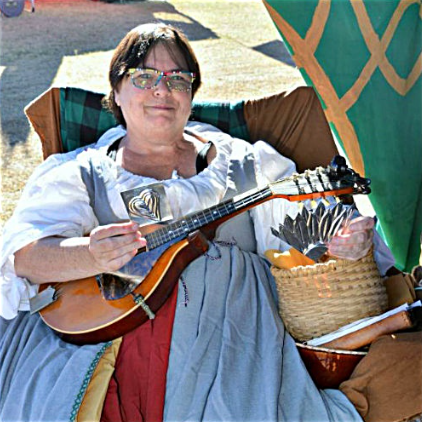
The arts have long played an important role in Irish, Scottish, and Welsh culture, from music and dance to storytelling, painting, and decorative craftsmanship. These creative traditions offer wonderful opportunities to explore how people expressed themselves and preserved their stories throughout history.
Perhaps you’re interested in calligraphy, manuscript illumination, or bookbinding. The Book of Kells, an illuminated manuscript created around the year 800 A.D., offers a remarkable example of the intricate lettering, vibrant colors, and elaborate decoration found in early medieval Irish art. You might enjoy exploring the process of making writing materials, decorating a manuscript, and binding the finished pages into a book. Or perhaps you’d prefer music, dance, poetry, or the art of storytelling. In Irish tradition, the seanchai (pronounced “shan-a-kee”) is a storyteller who helps keep tales and oral traditions alive.
Other areas to explore include drawing, painting, jewelery making, decorative metalwork, and traditional crafts such as corn dolly weaving. Whether you’re drawn to the visual arts or performing arts, there are many ways to research, practice, and share these creative traditions.
Domestic
Daily life throughout Celtic history involved a wide range of skills needed to maintain a household and care for its members. Preparing and preserving food, tending gardens, making household necessities, and maintaining clothing and equipment were all important parts of everyday life. These responsibilities varied according to the time period, location, and circumstances of each household.
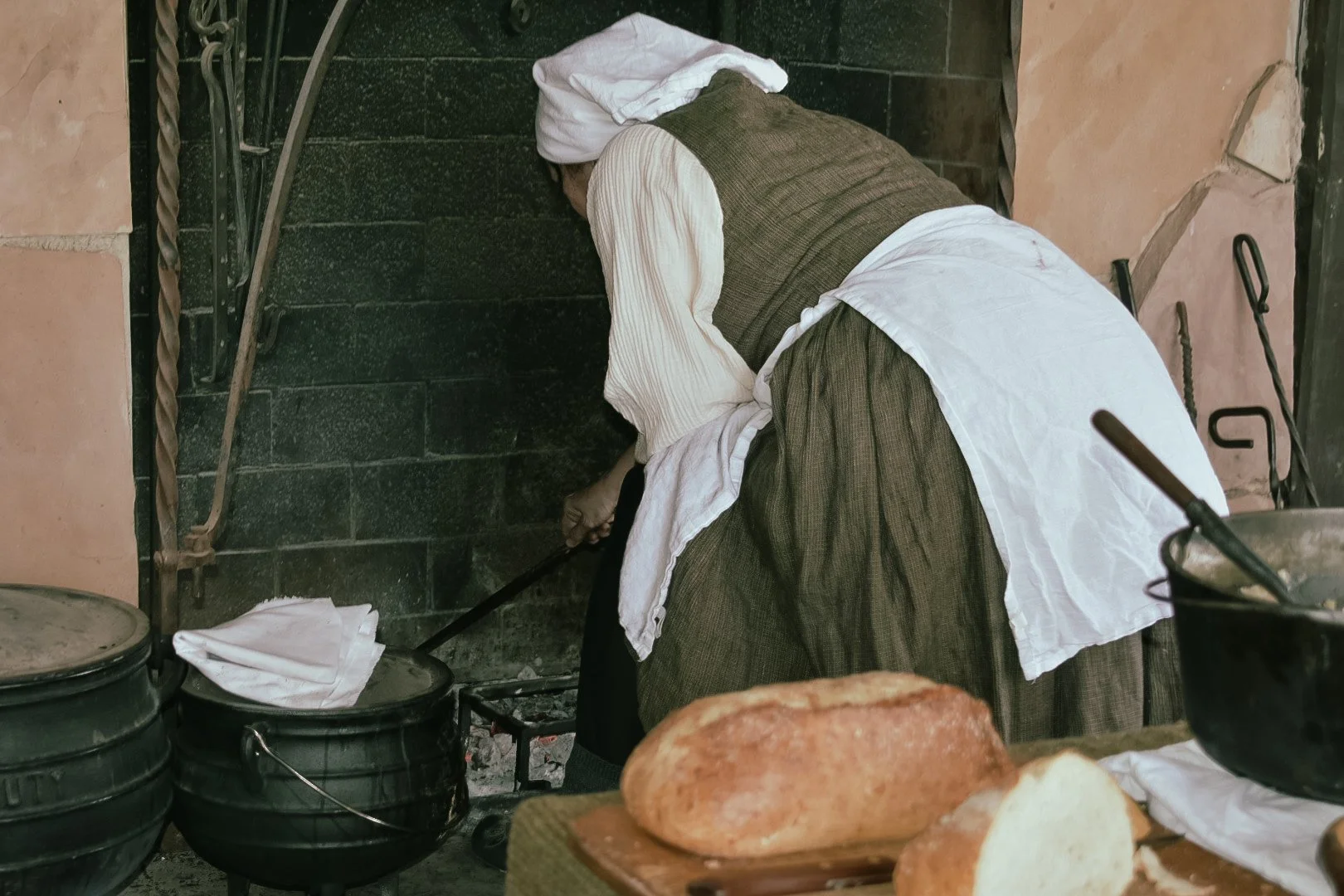
Perhaps you enjoy cooking over an open fire, exploring historical recipes, or learning traditional methods of food preservation. Other interests might include candle making, soap making, basket weaving, broom making, and the creation of useful household items. You could also investigate the plants and herbs used in historical cooking, medicine, and household care.
The study of domestic life offers a fascinating glimpse into the routines, challenges, and resourcefulness of people in the past. Whether you’re interested in food, household crafts, gardening, or the history of healing practices, there are many opportunities to research and demonstrate how everyday needs were met.
Fiber Arts
Textiles played an essential role in everyday life, providing everything from clothing and household furnishings to sails, ropes, and fishing nets. Across the centuries, people developed a remarkable variety of techniques for preparing fibers and transforming them into useful and beautiful objects.
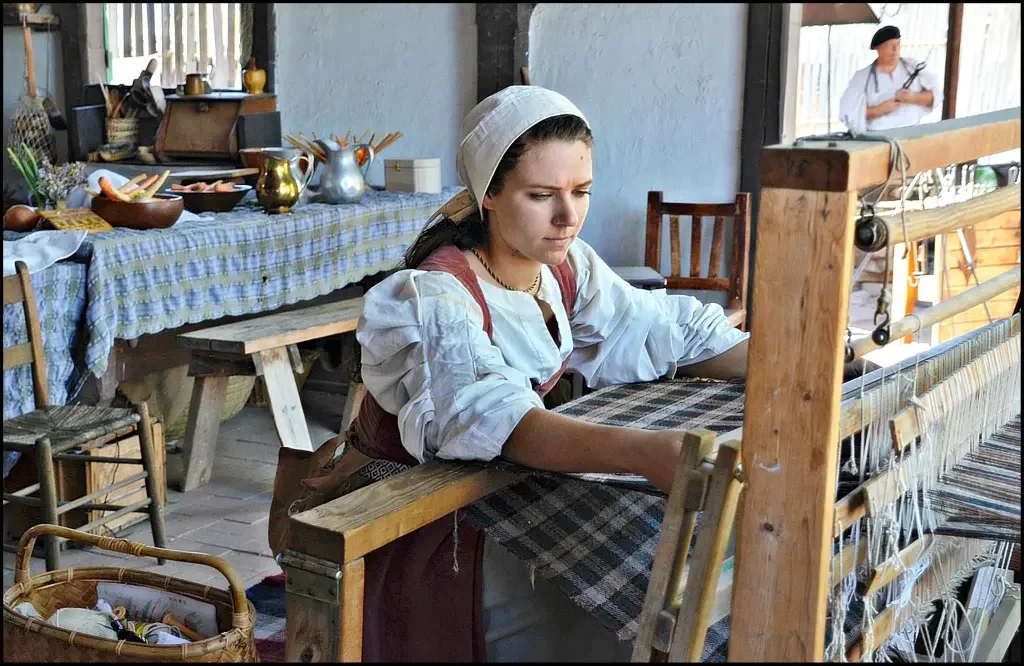
Perhaps you enjoy knitting, sewing, embroidery, spinning, or weaving. You might be interested in learning how wool, flax, and other fibers were prepared, spun into thread, dyed, and transformed into cloth. Techniques such as knitting, felting, braiding, and tablet weaving were used to create clothing, accessories, decorative trims, and other practical items, depending on the historical period.
Textile arts also offered opportunities for creative expression through embroidery, blackwork, tapestry weaving, and lace making. Whether your interests lie in knitting historical garments, sewing clothing, exploring traditional tools and techniques, or researching how textiles were produced and used, Fiber Arts offer a wealth of possibilities to discover and share.
Leather-work
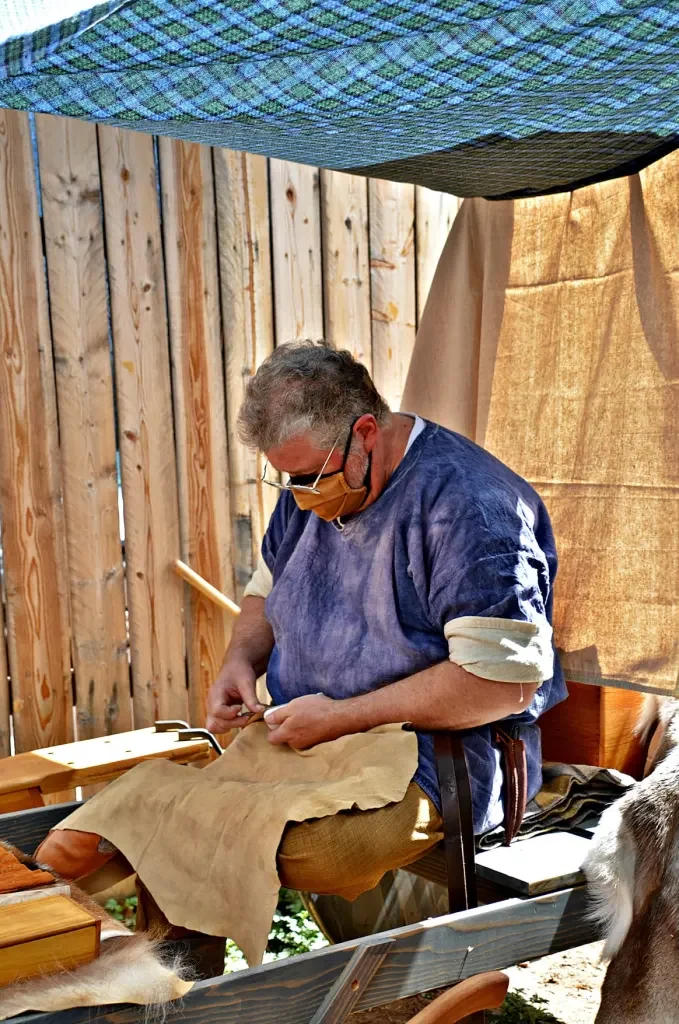
Leather was a valuable and versatile material throughout history, used to create durable, flexible items for everyday life, travel, and work. From shoes and belts to pouches, bags, and equipment for horses, leather-workers produced many of the practical necessities people relied upon.
Perhaps you’re interested in making historical footwear, crafting belts and purses, or learning how leather was prepared and shaped. Techniques such as cutting, stitching, tooling, stamping, dyeing, and painting could be used to create both functional and decorative objects. Leather was also used to make certain types of drinking vessels, including costrels and jacks, as well as straps, scabbards, and other useful accessories.
Exploring leather-work offers opportunities to research historical designs, experiment with tools and techniques, and create items suited to the period you represent. Whether you’re interested in practical equipment or decorative craftsmanship, there are many ways to bring this fascinating art to life through demonstrations and hands-on learning.
Metal Work
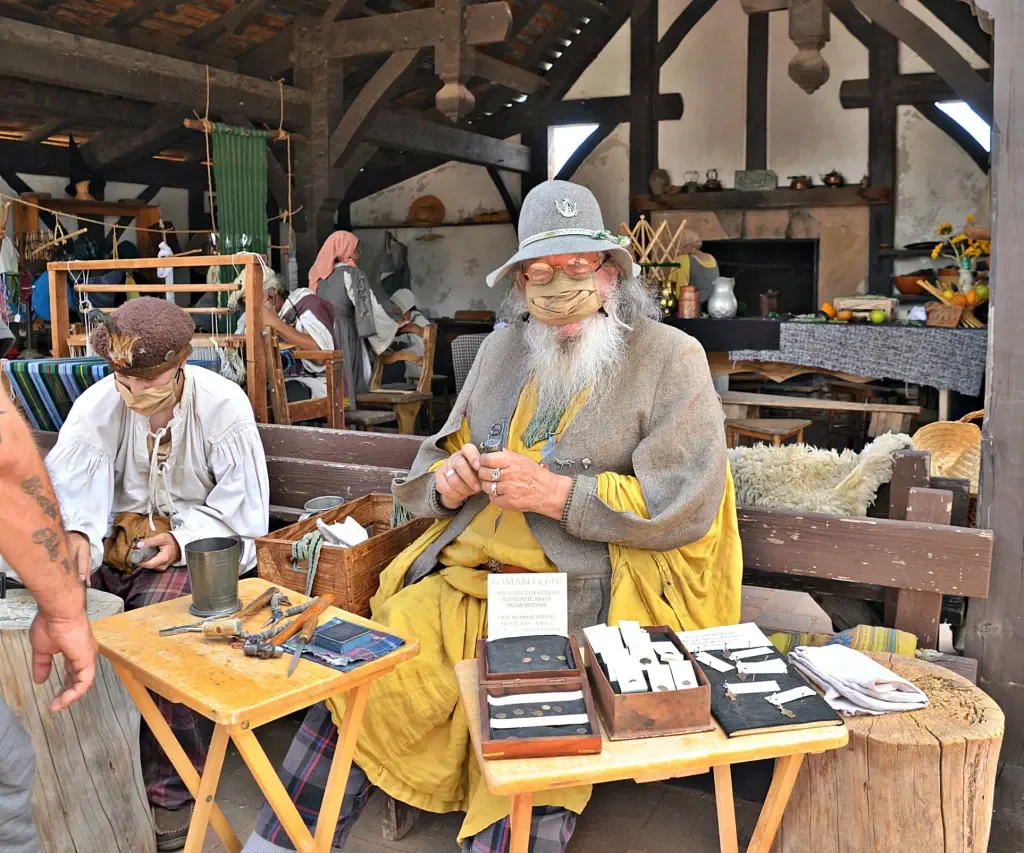
Metalworking played an important role in everyday life, producing everything from household utensils and agricultural tools to weapons, armor, jewelry, and decorative objects. Skilled craftspeople worked with iron, bronze, copper, silver, gold, and other metals to create items that were both practical and beautiful.
Perhaps you’re interested in blacksmithing, where iron is heated in a forge and shaped with hammers and other tools. Blacksmiths produced necessities such as nails, chains, horseshoes, and tools, while some specialized in crafting blades, weapons, and armor. Other metalworkers created jewelry and decorative accessories using techniques such as hammering, casting, engraving, and metal stamping.
Coin making offers another fascinating area of study. Historical coins were often produced by placing a piece of metal between engraved dies and striking it with a hammer to impress the design. Whether your interests lie in forging, jewelry making, pewter work, or historical coin minting, metal working offers many opportunities to explore the skills and artistry of the past.
Woodwork
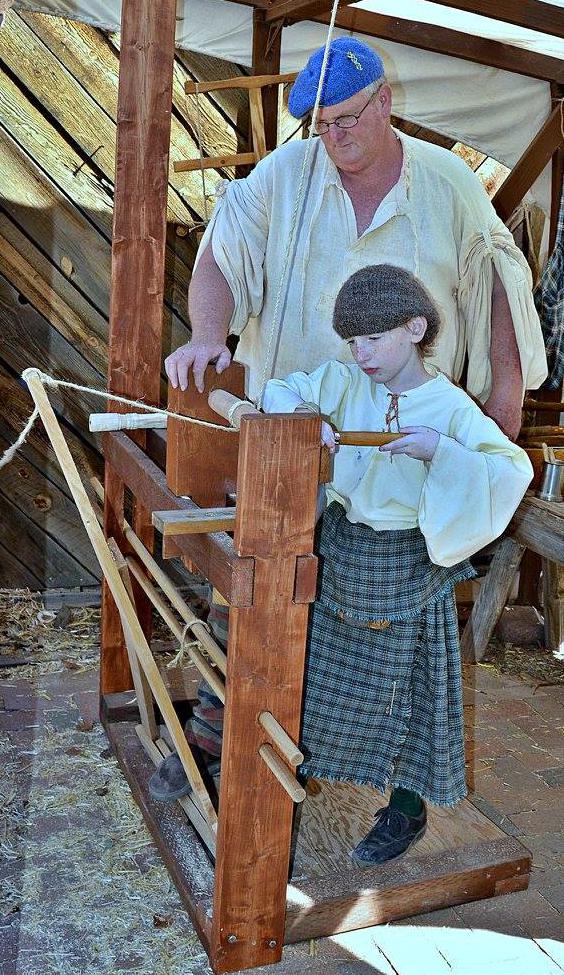
Woodworking was an important part of everyday life, from making simple household repairs to constructing buildings, furniture, ships, and tools. Skilled craftspeople developed specialized techniques for shaping and joining wood, creating objects that were both practical and decorative.
Perhaps you’re interested in woodcarving, woodturning, furniture making, or crafting toys and games. Many traditional woodworking tools have changed surprisingly little over the centuries. Knives, saws, chisels, gouges, and rasps used by historical craftspeople are still familiar to woodworkers today. These tools helped shape everything from spoons and bowls to elaborate furnishings. Other specialized crafts included coopering (the making of wooden barrels and containers), as well as timber framing and shipbuilding.
Decorative carving also has a rich history, particularly in the intricate designs found on surviving Viking Age wooden objects. Whether your interests lie in carving, construction, or exploring historical woodworking tools and techniques, Woodwork offers many opportunities to discover and demonstrate the craftsmanship of the past.