Raising the CROFT
The story of how our home at the Arizona Renaissance Festival came to be…..
A New Beginning
The story of CROFT began around 1999, when a small group of approximately 10 - 12 like minded individuals came together with a shared passion for Celtic history, traditional craftsmanship, and historical reenactment. Many had previously belonged to another organization, but they envisioned something of their own. From those modest beginnings, CROFT began to take shape. What the group needed next was a place to call home.
Finding Our Building
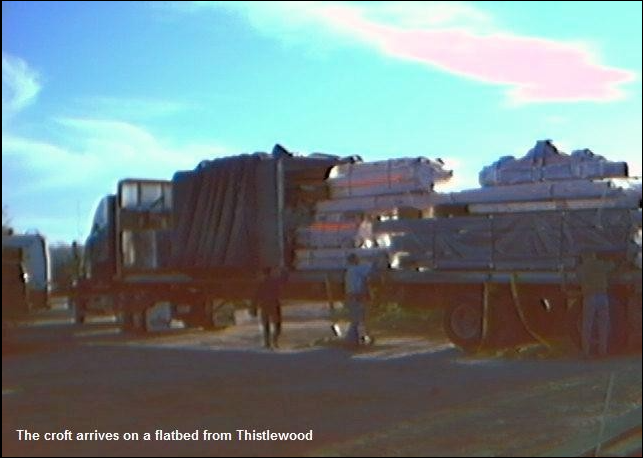
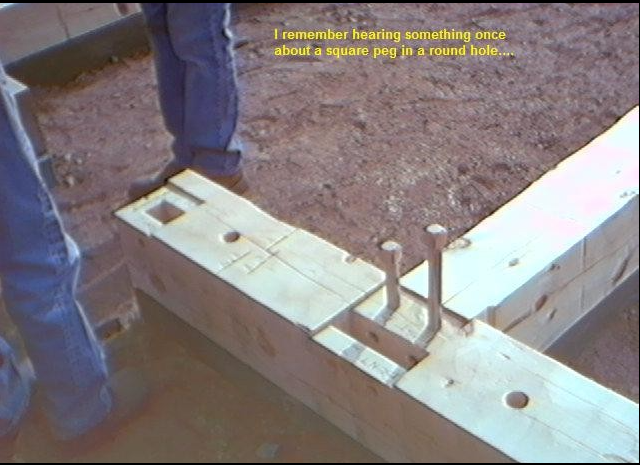
After an earlier attempt at constructing a building proved unsuccessful, an opportunity arose to acquire something rather special. Jeffrey, the local manager of the Arizona Renaissance Festival, located a Canadian company that specialized in traditional timber buildings assembled with wooden pegs rather than modern nails. The company had a demonstration building that had been used at exhibitions and shows. This structure became the foundation for CROFT’s new home. An additional section was requested to provide more room, which became the shop area familiar to visitors today. The building was more than a practical solution. Its traditional construction made it a fitting home for an organization devoted to preserving historical craftsmanship.
Raising the CROFT
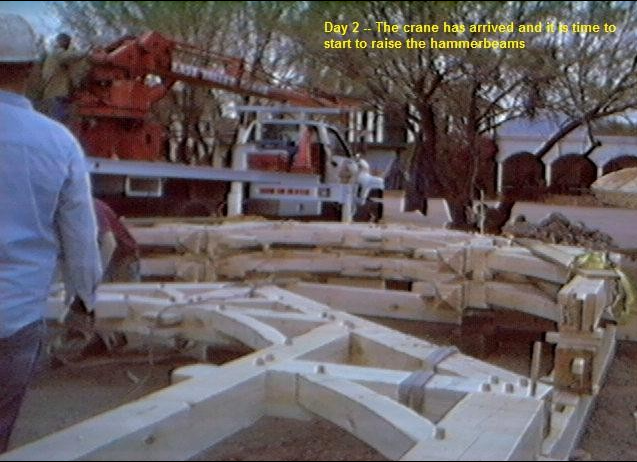
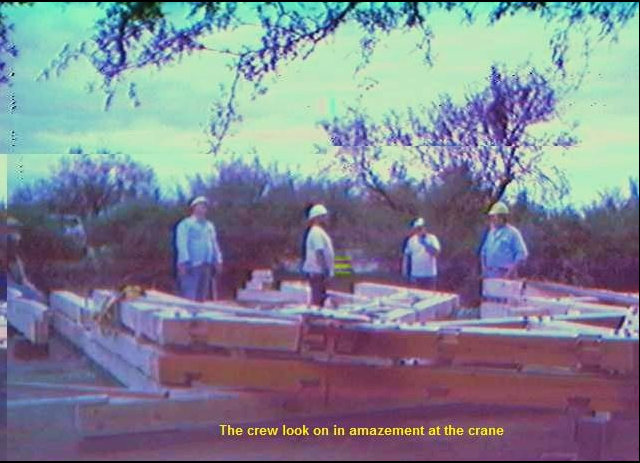
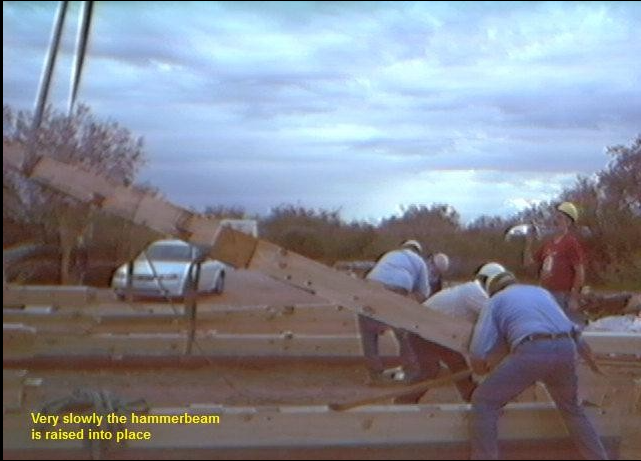
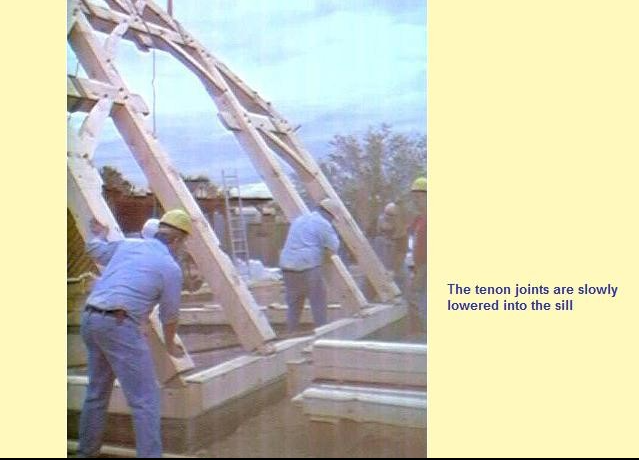
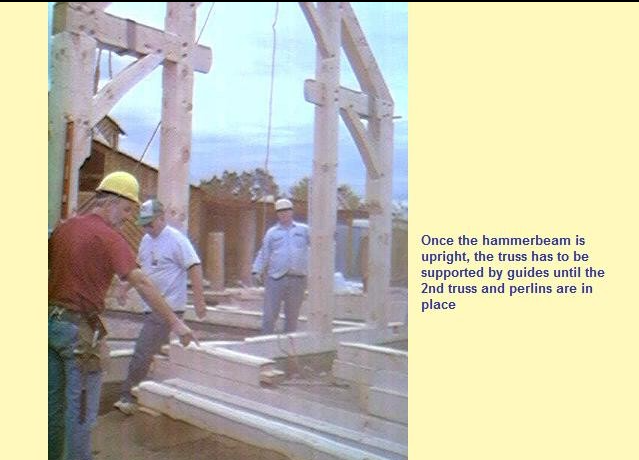
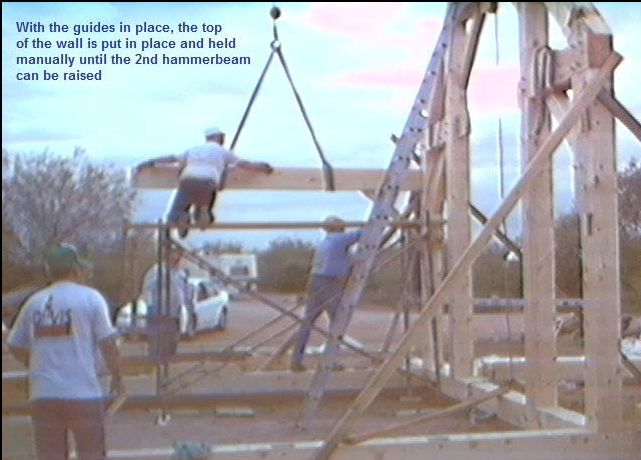
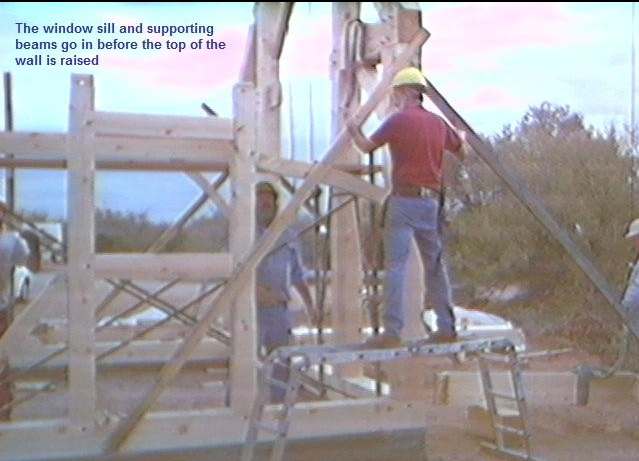
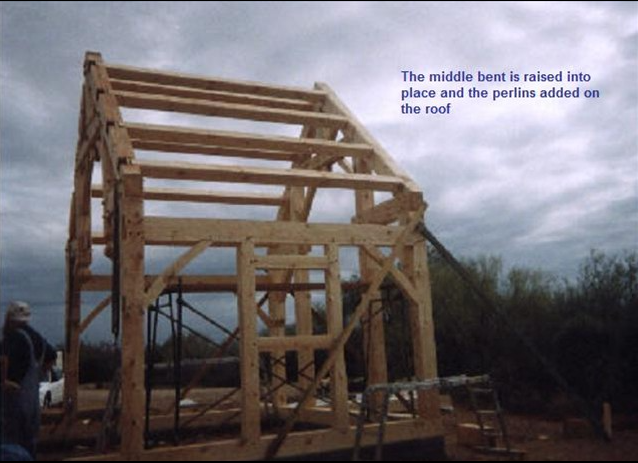
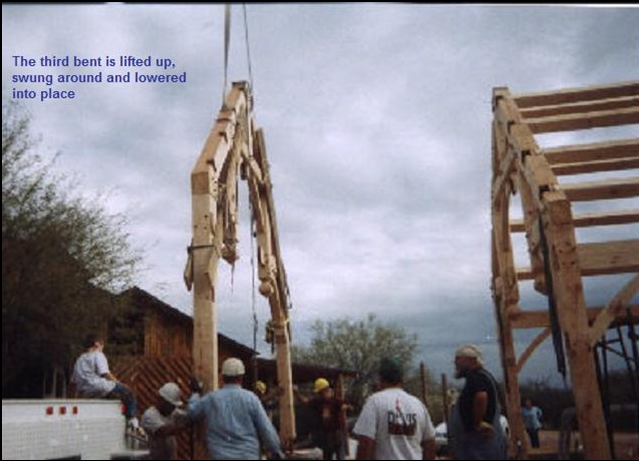
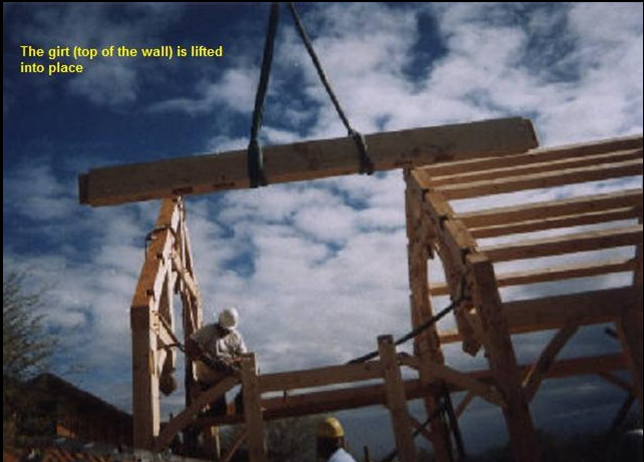
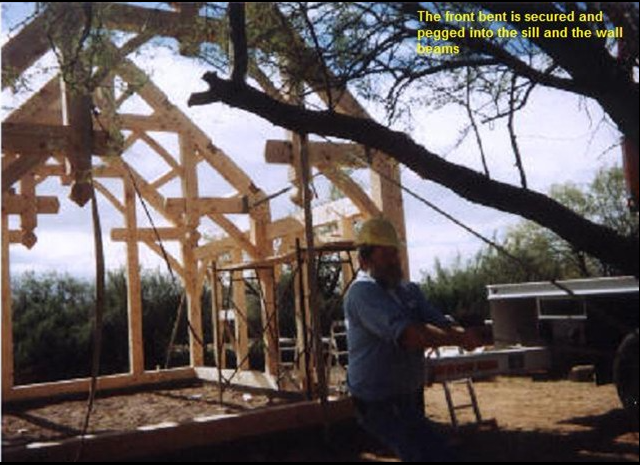
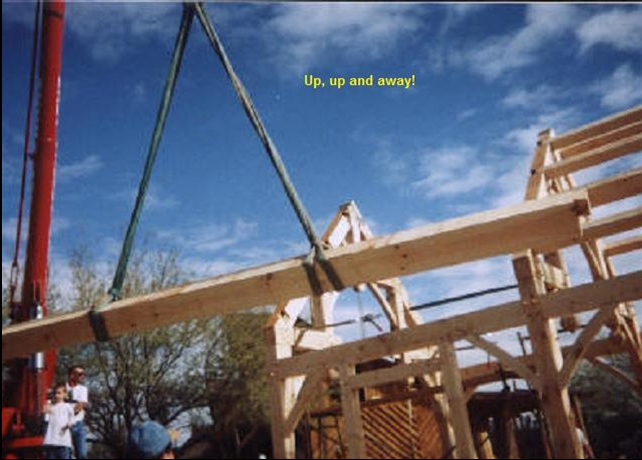
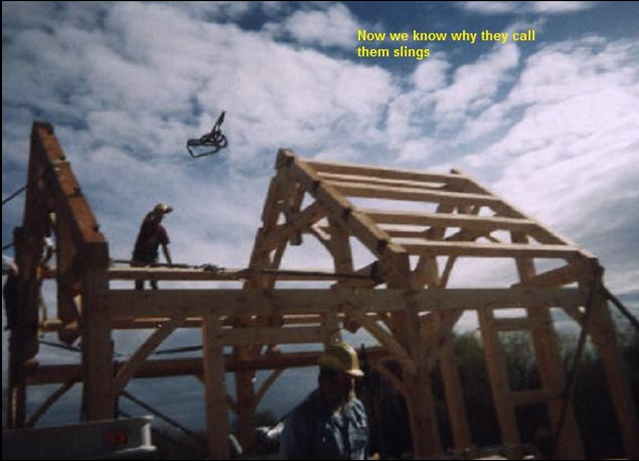
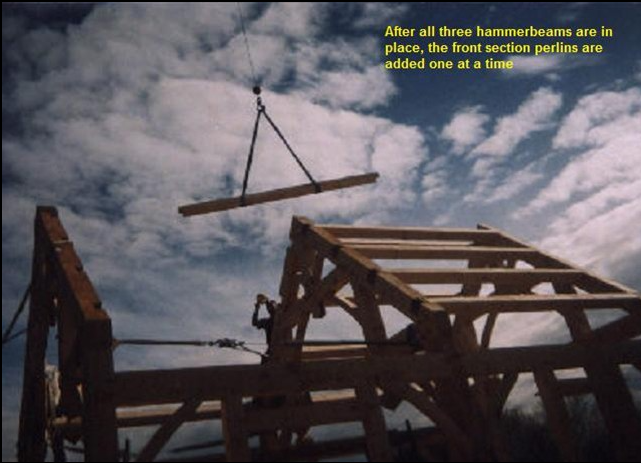
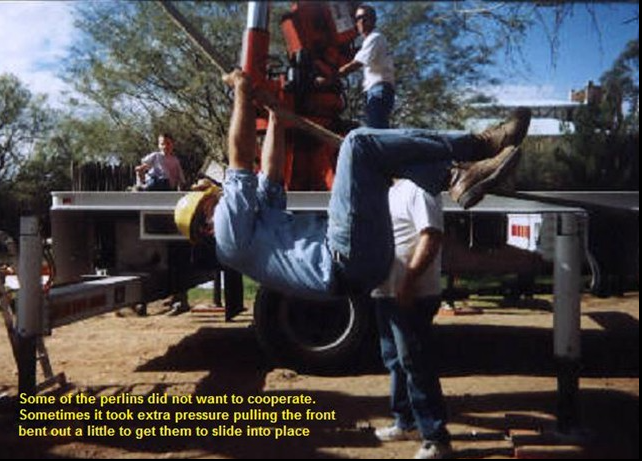
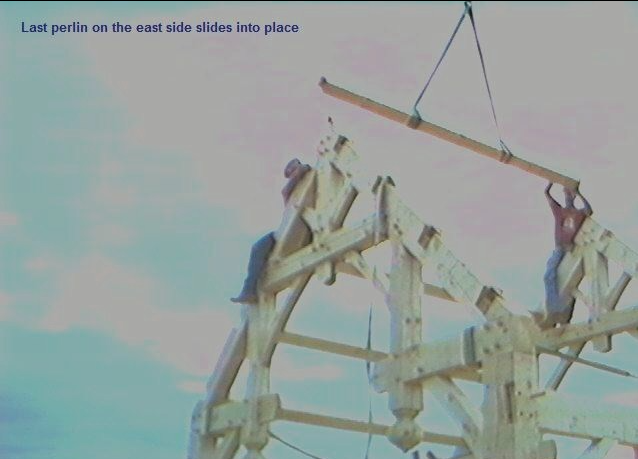
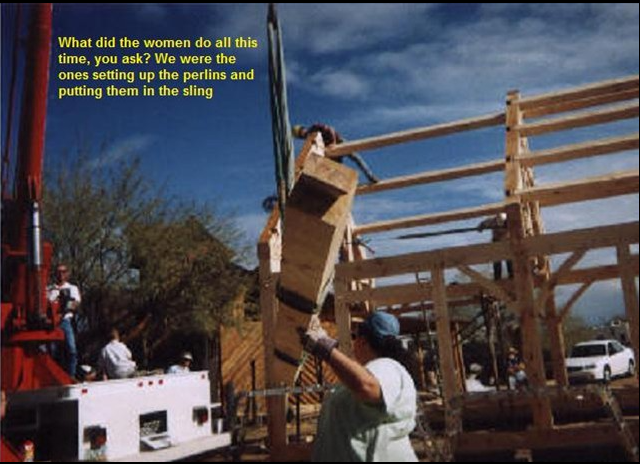
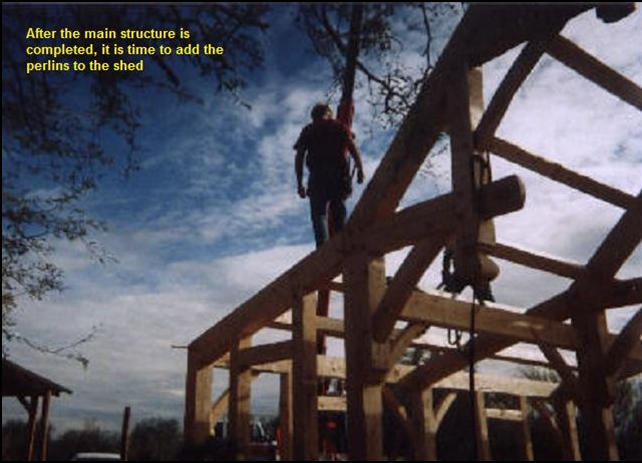
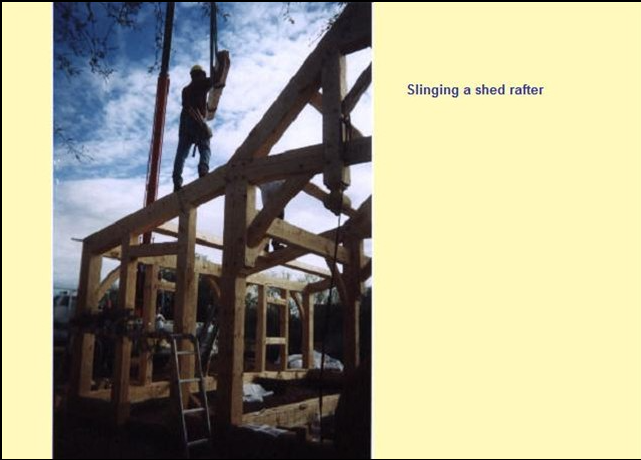
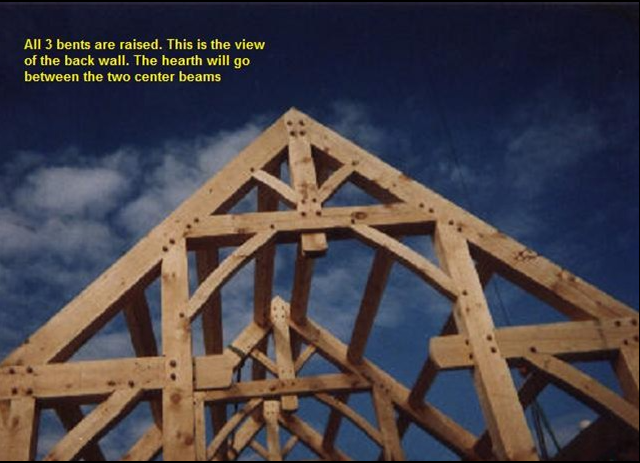
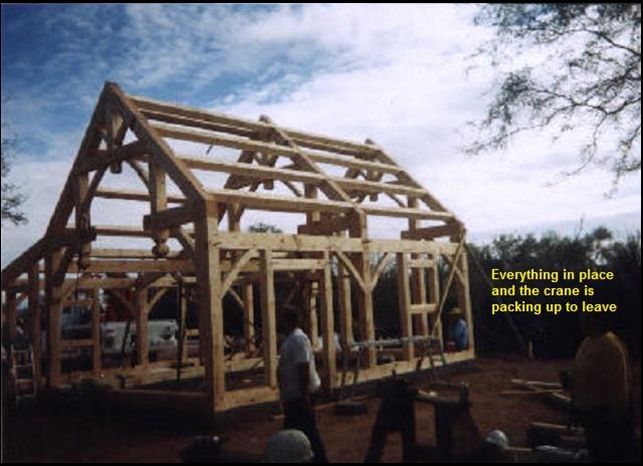
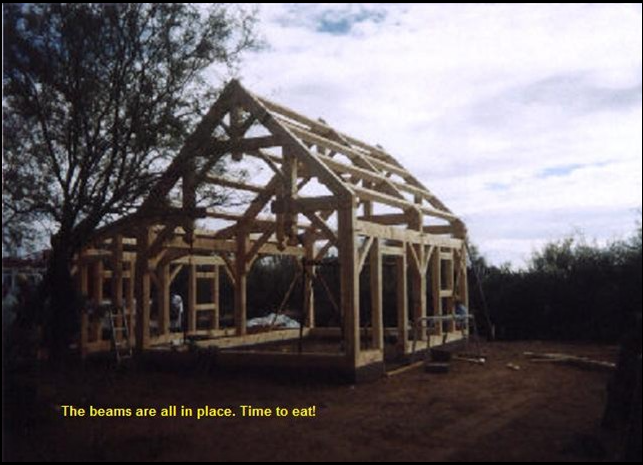
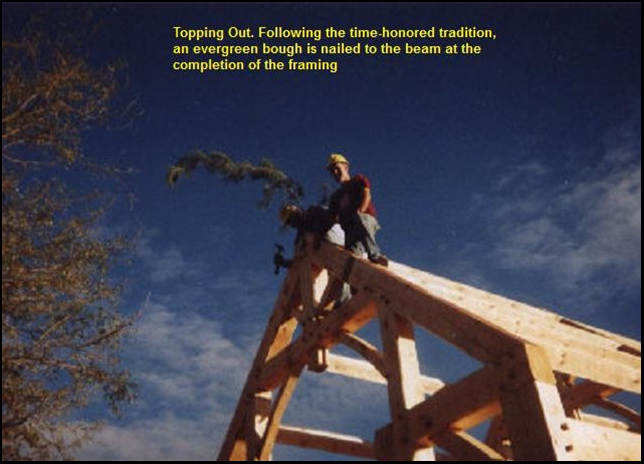
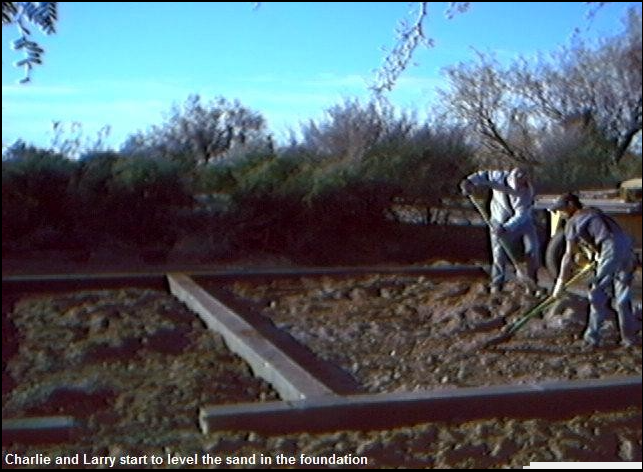
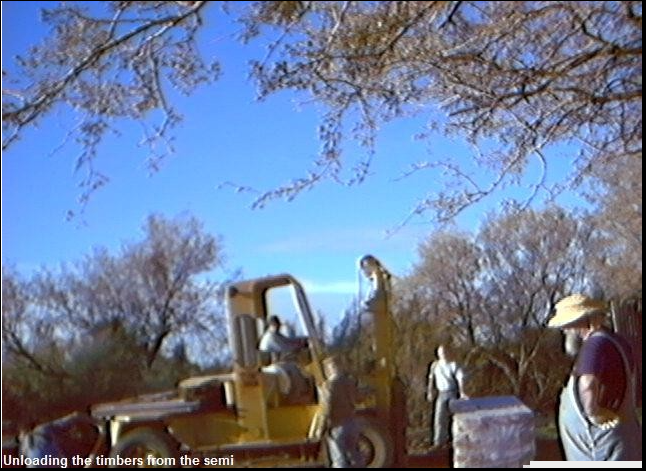
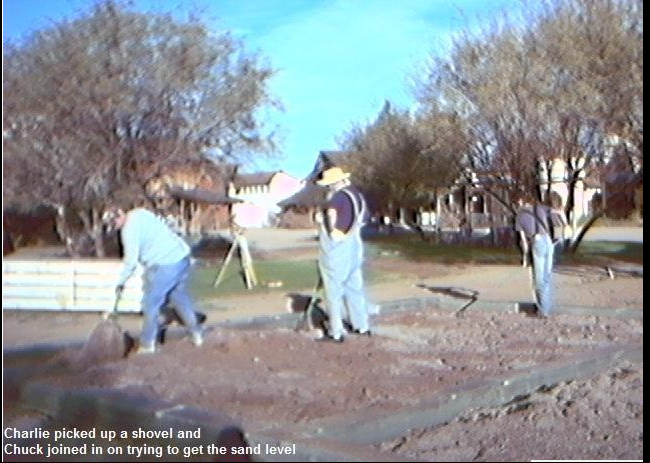
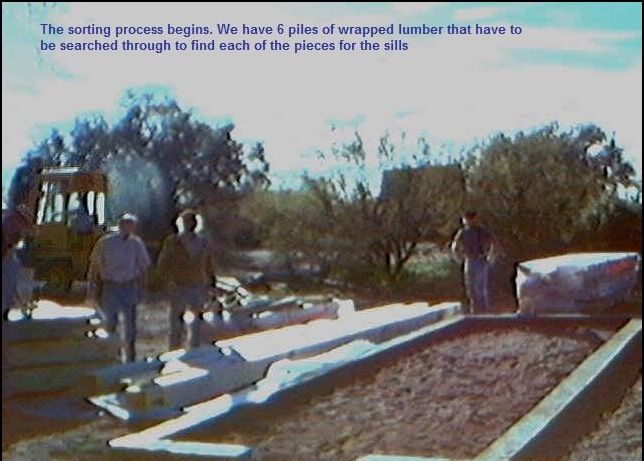
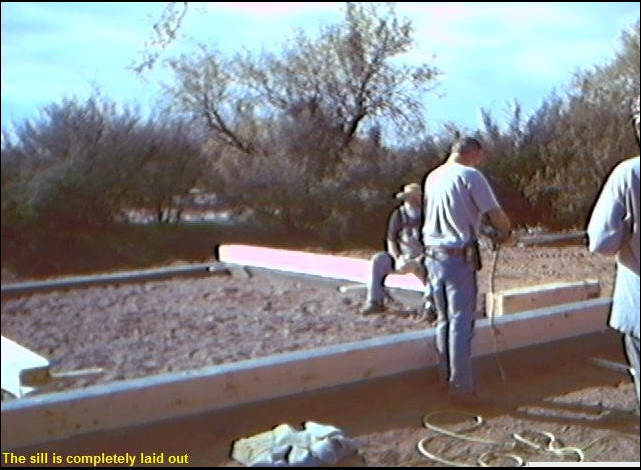
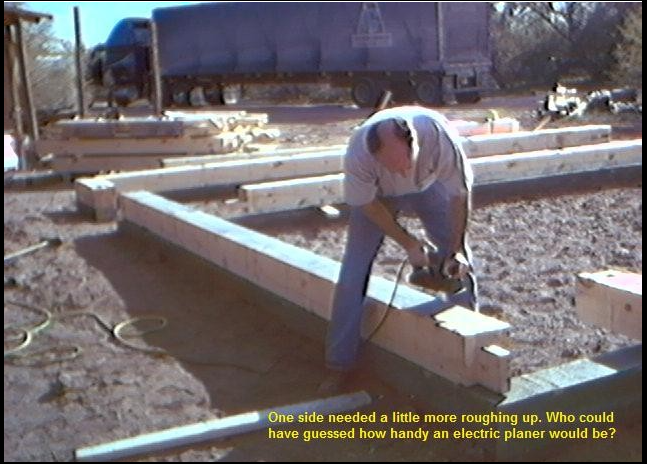
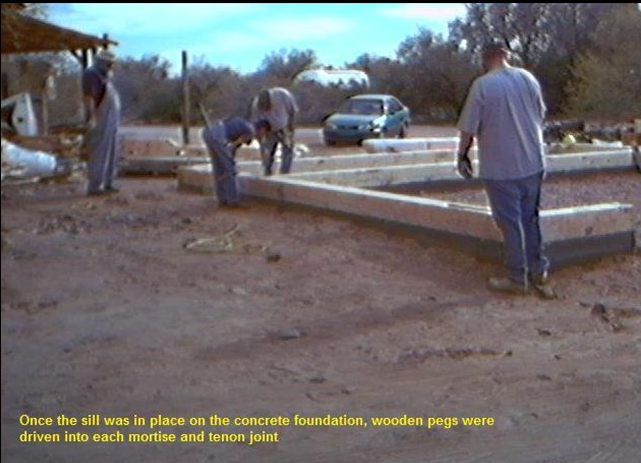
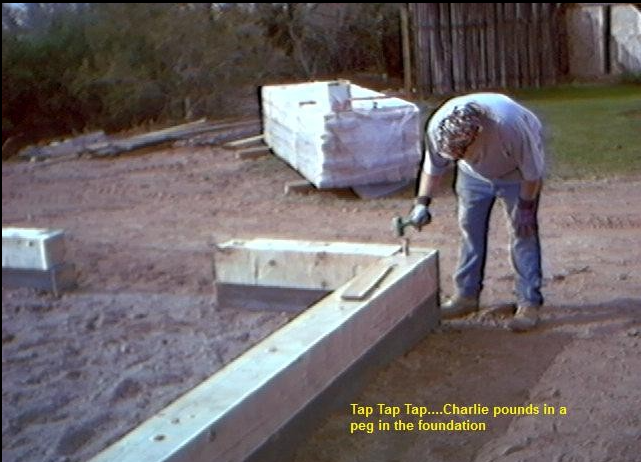
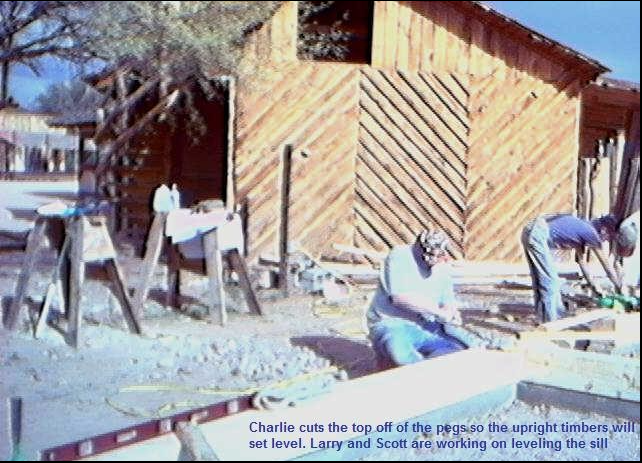
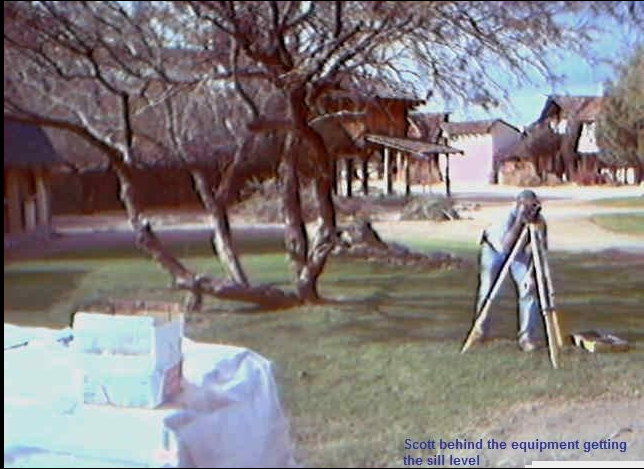
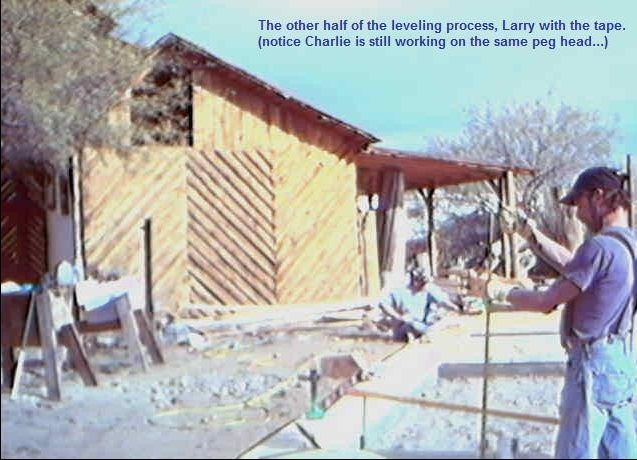
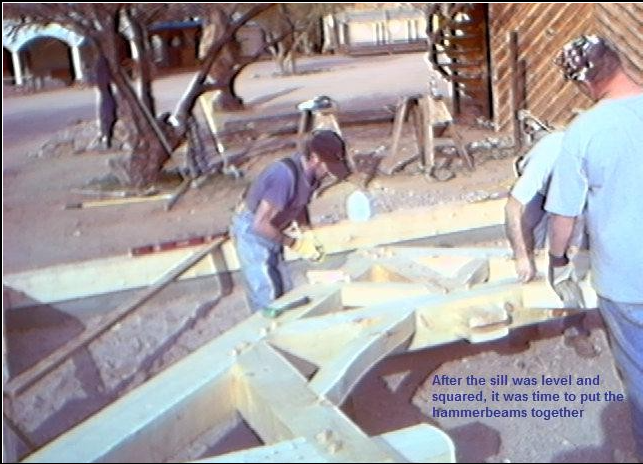
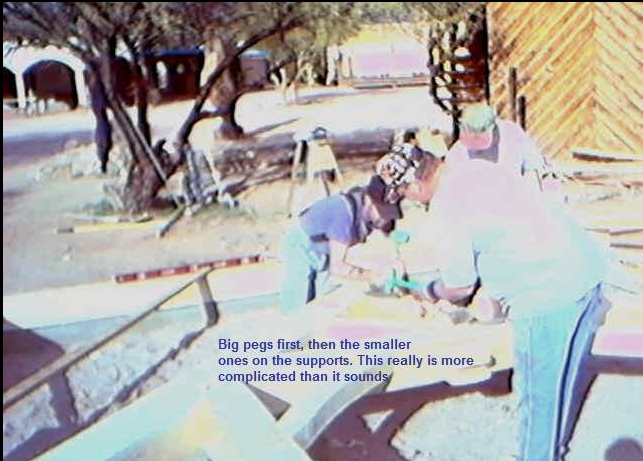
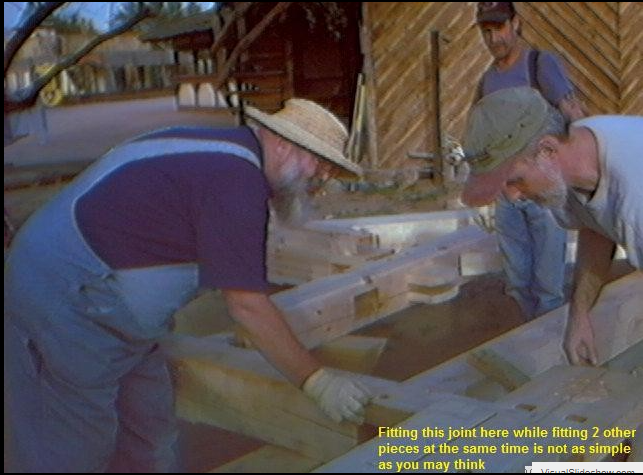
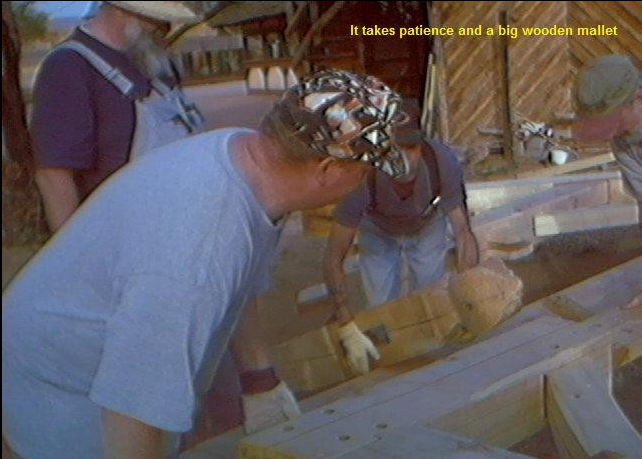
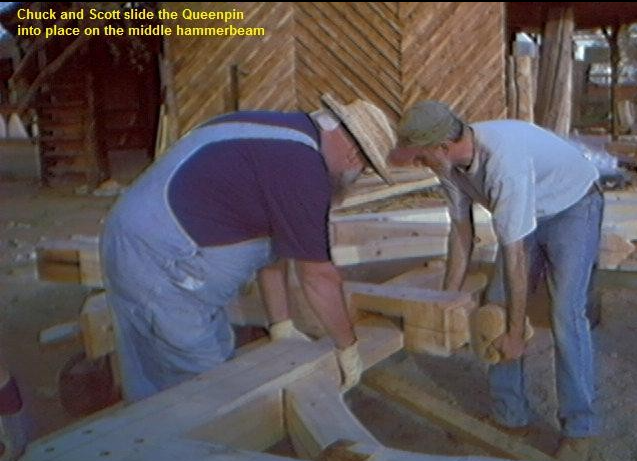
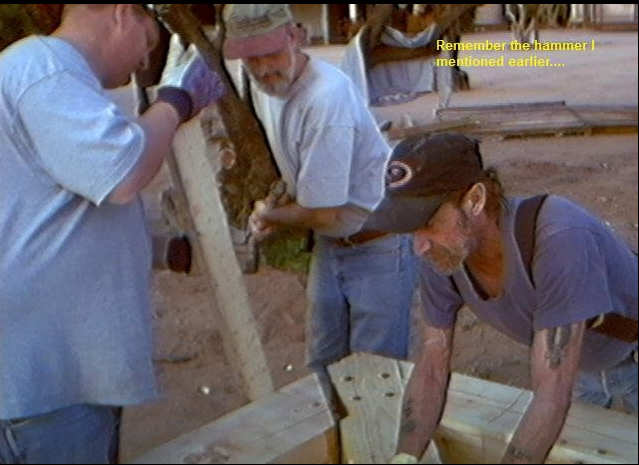
When the time came to assemble the building, the Canadian company arrived with cranes, equipment, and the expertise needed to lift and position the enormous timbers. CROFT members gathered to lend their hands wherever they could, assisting with the work on the ground and watching their new home take shape. Over the course of a long weekend, the great wooden framework was raised and assembled. For the members, seeing the building standing must have been an extraordinary milestone. What had begun as a shared vision was becoming something real. But while the main structure had been raised, the work of turning it into the CROFT home we know today was only beginning.
A Work In Progress
In those early years, the building was considerably more rustic than it is today. There were no finished walls enclosing the entire structure, no permanent fireplace, and initially, no proper roof. The members made do with what they had, even attempting to protect the building with tarps, with varying degrees of success. A fence was eventually constructed behind the stage area to screen the view beyond the building. Over the years, that fence would be moved and modified, and the familiar gate was a much later addition. Improvements came gradually, often accomplished during the festival itself as members found the time, materials, and helping hands to complete another piece of the project. One particularly important improvement was the installation of the slate roof.
A Roof Built Through Friendship and Skill
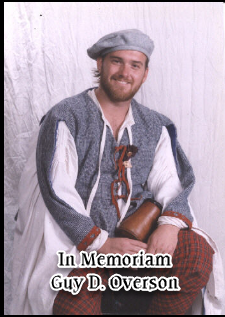
Among CROFT’s early members were Guy Overson and his wife, Becky, who had joined the organization from the previous group. Guy was a professional roofer as well as an active CROFT demonstrator and woodworker. When the building needed a permanent roof, he put his professional experience to work. He helped identify the appropriate roofing materials, while Jeffrey provided the funding for the slate itself. Guy and his roofing crew then undertook the installation. The choice of slate was deliberate. A traditional thatched roof might have looked appropriate, but members were concerned about the scorpions, spiders, and other creatures that could make their homes in straw. Slate offered a practical alternative while maintaining the building’s historical character. The roof was installed during the building’s early years, after members had spent some time coping with an open structure and temporary coverings. Today, that slate roof remains one of the building’s distinctive features and a lasting reminder of Guy’s craftsmanship and contribution to CROFT.
Brick by Brick
Other improvements followed as the members continued to transform the structure. A chimney, fireplace, and hearth were eventually added, replacing the open fire pit that had served the group in its earliest years. The brick floor was another project completed through the efforts of CROFT members. Rather than purchasing an entirely new floor, they gathered used bricks from whatever sources they could find and laid them by hand. The result was not perfectly even, and years of settling have added to its rustic character. There was even some joking about paving the entire surrounding area with brick, but the supply ran out before that grand ambition could be realized! These improvements were not the work of a single construction crew or a carefully scheduled building project. They were the result of members contributing what they could, when they could, using their own skills and whatever materials were available.
Making Do and Making Memories
Life in the early CROFT building required a certain amount of ingenuity, patience, and humor. For a time, the group had only one electrical outlet. If someone needed hot water, the refrigerator had to be unplugged so the hot water equipment could be connected instead! Cold festival days presented their own challenges, especially before the fireplace and enclosed walls were completed. Yet these inconveniences became part of the shared experience of building something together. Each improvement represented another step forward, and every member who helped contributed to making CROFT a more comfortable and welcoming place for demonstrators and visitors alike.
More Than Just a Building
The story of Raising the CROFT is about far more than assembling timbers, laying bricks, or installing a roof. It is the story of a small group of people who shared a vision and were willing to contribute their time, talents, and hard work to make that vision a reality. Some brought professional skills. Others offered labor, materials, encouragement, or simply an extra pair of hands. Together, they created a home where traditional crafts could be demonstrated, historical knowledge shared, and lasting friendships formed. Over the years the building has grown and changed, just as CROFT has. But the spirit that brought those first members together remains at its heart. Today, when visitors step beneath the slate roof, walk across the old brick floor, or gather around the hearth, they are experiencing more than a historical setting. They are standing within a place built through friendship, craftsmanship, determination, and a shared love of history.
That is the Legacy of Raising the CROFT
With special thanks to longtime CROFT member Nancy Feuquay for sharing her memories of the organization’s beginnings and the building of its home at the Arizona Renaissance Festival.
The photos featured in this gallery were taken by Selene Lily Galicai, whose contributions we gratefully acknowledge.
Day 1
Day 2